Generators are essential equipment in industry, responsible for converting mechanical, thermal, hydraulic or chemical energy into electrical energy. Here is an overview of their function, operation, and common types used in the industry:
Function:
Industrial generators are used to supply electrical energy in places where there is no access to the conventional electrical grid or as a backup in the event of a power failure. They are essential for maintaining continuity of operations in industries that rely heavily on electricity.
Operation:
The operation of a generator involves several steps:
Primary Energy Source: The generator is driven by a primary energy source, which can be a diesel engine, gasoline, natural gas, steam, moving water (hydroelectric) or even solar or wind energy, depending on the type of generator.
Energy Conversion: The primary energy source drives the generator, causing it to convert mechanical, thermal, hydraulic or chemical energy into electrical energy.
Electricity Generation: The electrical energy generated is then made available for use in industry, powering machines, equipment, lighting and other electrical needs.
Types of Generators:
There are several types of generators used in industry, each with its own specific characteristics and applications:
Diesel Generators: They are common in industries where an independent and reliable source of energy is required. They are robust and can operate for long periods with low maintenance costs.
Natural Gas or Propane Generators: They use natural gas or propane as fuel, being a cleaner option in terms of emissions. They are often used in industries where these fuels are available.
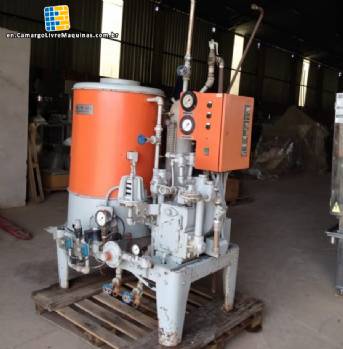
Steam Generators: Convert thermal energy into electrical energy using steam as an energy source. They are commonly found in industries that produce steam as a byproduct of industrial processes.
Hydroelectric Generators: Use moving water, such as rivers or waterfalls, to generate electricity. They are often used in industries located close to water sources.
Solar Generators: Convert solar energy into electricity through photovoltaic panels. They are a sustainable and increasingly popular option in industries looking to reduce their carbon footprint.
Wind Generators: Convert kinetic energy from the wind into electricity through wind turbines. They are used in places with consistent winds and can be a source of renewable energy.
These are just some of the types of generators commonly used in industry. The choice of generator type depends on the specific power needs of the industry, as well as local conditions and environmental considerations. |